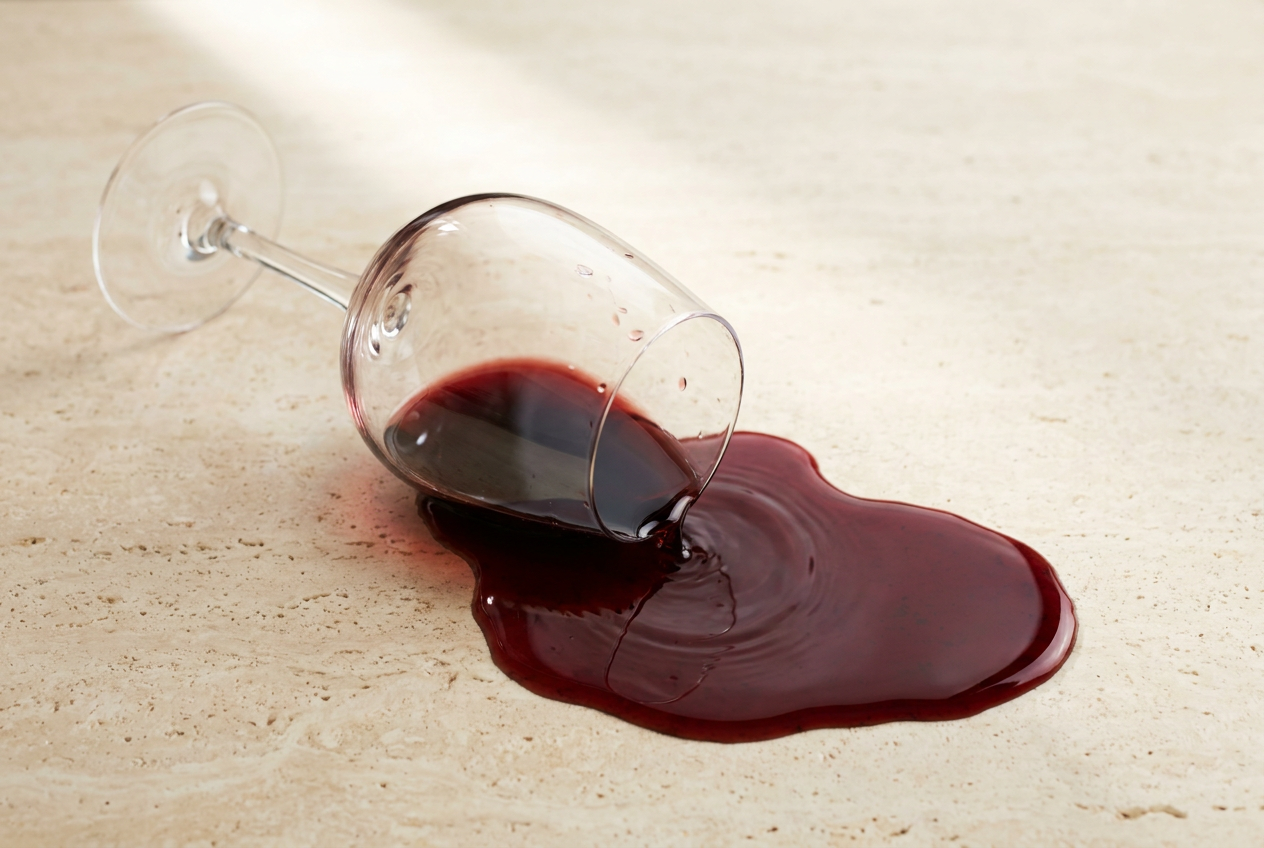
Alcohol and PMS: an honest assessment
- The 47,000-woman meta-analysis estimates one in five PMS cases in Europe is attributable to alcohol. Heavy drinking shows a larger effect than any drinking.
- Alcohol disrupts sleep architecture in every phase. The effect is amplified in the luteal phase, where the GABA system is already lower.
- Alcohol triggers prostaglandin production and depletes magnesium. Both intensify cramps. A drink the day before bleeding can make day one measurably worse.
- The WHO position on alcohol and breast cancer is unambiguous. There is no risk-free level. The dose-response is real even at one to two glasses per day.
- The honest test: try cutting alcohol entirely in the late luteal week for two cycles. Most women report meaningful improvements in sleep, mood and cramps.
The week before your period is when a glass of wine often sounds best, and also when it tends to do the most damage. The mood dip, the sleep disturbance, the cravings, the tension. A drink takes the edge off in the moment and then leaves you worse for the next two days. This is not a willpower issue. It is pharmacology meeting the most reactive phase of your cycle.
This article walks through what the research actually says about alcohol and PMS, why your body handles alcohol differently across your cycle, what the evidence does and does not support about lifetime risk, and how to think about it without either moralising or sweeping it under the rug.
What the meta-analysis actually shows
A systematic review and meta-analysis published in BMJ Open in 2018 pooled data from 19 studies covering more than 47,000 women across multiple countries. The headline finding: alcohol intake was associated with a moderate increase in the risk of PMS (odds ratio 1.45, 95% CI 1.17 to 1.79). Heavy drinking carried a larger increase (OR 1.79, 95% CI 1.39 to 2.32) [1].
The authors estimated that around one in five PMS cases in Europe and one in ten worldwide could be attributed to alcohol consumption. That is a large population-level effect.
There is an important caveat the authors raised explicitly: causation cuts both ways. Does heavy drinking cause PMS, or do women with worse PMS drink more to cope with their symptoms? The prospective evidence (where alcohol intake is measured first and PMS diagnosed later) supports a causal contribution from alcohol, but the reverse-causation pathway is also real. Both can be true simultaneously, and the practical implication is the same: reducing alcohol tends to reduce PMS in women who have it.
Why your body handles alcohol differently in the luteal phase
The luteal phase brings elevated progesterone and moderately high estradiol. Both interact with the systems alcohol acts on.
Slower clearance. Women already metabolise alcohol more slowly than men due to lower stomach alcohol dehydrogenase activity, reaching higher blood alcohol concentrations from the same dose [2]. In the luteal phase, the combination of elevated sex hormones further influences alcohol pharmacokinetics. The research is mixed on whether the luteal phase straightforwardly slows alcohol metabolism, but the lived experience reported by many women, that "one glass feels like two" in the days before their period, has plausible biological backing through changes in stomach emptying, body water distribution, and hormone-enzyme interactions [3].
GABA system sensitivity. Alcohol enhances GABA signalling, which is why it feels relaxing initially. GABA concentrations in the brain actually fluctuate across the cycle, with higher levels in the follicular phase and lower in the luteal [4]. A nervous system already running on lower GABA tone is more responsive to alcohol's calming effect in the short term and more vulnerable to the rebound anxiety as alcohol clears.
Blood sugar volatility. Alcohol impairs the liver's ability to release glucose, which can drop blood sugar 4 to 6 hours after drinking. The crash triggers cortisol and adrenaline, both of which amplify anxiety and disrupt sleep. The luteal phase already has slightly more volatile glucose handling (the typical 2 to 12% rise in basal metabolic rate is matched by changes in insulin sensitivity), so the post-drink dip can feel sharper.
The result is a stacking effect. One glass of wine on a Friday in your follicular phase can leave you fine on Saturday. The same glass in your late luteal phase can leave you wired at 3am, anxious by morning, and emotionally raw for a day after.
Alcohol and the symptoms that define PMS
Let's walk through the specific symptoms and what alcohol is doing to each.
Mood and anxiety
Alcohol initially binds GABA receptors and enhances inhibitory signalling, which is why it feels calming. As alcohol metabolises, the brain compensates by downregulating GABA activity. By the time alcohol is gone (typically 6 to 8 hours later), you are running on less GABA tone than before you drank [5]. The rebound is more pronounced in the luteal phase because GABA is already lower then.
The practical signature: the drink that calms you at 9pm becomes the anxiety wake-up at 4am. In the luteal phase, that 4am anxiety is harder to shake.
Sleep
Alcohol is a sedative, and it shortens sleep onset. It also suppresses REM sleep in the first half of the night and fragments sleep in the second half [6]. The total sleep architecture damage is substantial: more wakings, less restorative sleep, lighter sleep stages overall. Subjectively, you may feel like you slept "deeply" because you fell asleep fast and stayed asleep for the first few hours. The reality is that the second half of the night was disrupted, and the next-day energy reflects that.
In the luteal phase, sleep is already more fragile (progesterone affects body temperature regulation; melatonin rhythms shift; PMS-related anxiety can intrude). Alcohol's sleep disruption is amplified against this baseline. The clinical research suggests sleep is particularly sensitive to alcohol disruption around ovulation and in the luteal phase [7].
Period pain
This one has a direct mechanism. Alcohol triggers increased prostaglandin production, and prostaglandins are the primary driver of uterine contractions and menstrual cramping. Alcohol also depletes magnesium, the mineral most directly involved in muscle relaxation [8]. The result: drinks in the days before or during your period can meaningfully intensify cramps.
The dose-response is not well-quantified in trials, but the mechanism is well-established. Women who report worse cramps after drinking are generally describing a real pharmacological effect.
Breast tenderness and bloating
Alcohol acutely raises estrogen levels [9], which can amplify the breast tenderness and fluid retention that already peak in the late luteal phase. The effect is dose-dependent and most noticeable with multiple drinks.
Cravings and energy
Alcohol contains roughly 7 calories per gram with no satiety value, and it disrupts blood sugar regulation. The combination drives next-day cravings (particularly for carbohydrates) and lower baseline energy. In the luteal phase, when sugar and carb cravings already peak, this stacks.
The thing no one wants to mention: lifetime breast cancer risk
This is the part of the alcohol conversation that tends to get omitted from cycle-health content, and we are going to be honest about it because the evidence is clear and the audience deserves the full picture.
The WHO has classified alcohol as a Group 1 carcinogen (the highest classification) for breast cancer in women. A 2024 systematic review and meta-analysis of prospective cohort studies confirmed a dose-response relationship: relative risk of breast cancer increases by approximately 4% for light drinking, 23% for moderate, and 61% for heavy drinking compared to non-drinkers [10].
The WHO Europe position is explicit: there is no safe level of alcohol consumption with respect to breast cancer risk. More than half of all alcohol-attributable breast cancer cases in Europe come from drinking patterns considered "moderate" by social norms (around 1 to 2 small glasses of wine per day) [11].
This is not a reason to panic, and it is not a reason to lecture. It is a reason to factor lifetime breast cancer risk into how you think about your relationship with alcohol over decades, not just within a single cycle. It matters more for women with a family history, with dense breast tissue, or with other risk factors.
The cycle-health story (alcohol and PMS, alcohol and sleep, alcohol and cramps) is about quality of life over weeks. The breast cancer story is about cumulative risk over decades. Both are real. Both belong in an honest assessment.
How to think about it
Three frameworks that are more useful than "should I drink or not."
1. Intake by cycle phase
The simplest and most evidence-supported lever: drink less in the luteal phase, particularly the late luteal week. This is when alcohol does the most acute damage and when your tolerance is lowest. Many women find that shifting their drinks (when they happen at all) into the follicular phase substantially improves PMS symptoms without requiring abstinence.
2. Dose, not category
The breast cancer dose-response means the difference between 1 drink and 2 drinks on a given evening is more meaningful than the difference between "drinker" and "non-drinker." Many of the women in the population-level data described as "moderate drinkers" are actually drinking 4 to 5 nights per week with multiple drinks each time. Cutting to 1 drink per occasion, fewer occasions, moves you down the risk curve substantially.
3. Quality of the cycle versus the drink
A practical exercise: track your PMS symptoms for two cycles where you drink as usual, and two cycles where you cut alcohol entirely. Many women see meaningful improvement in sleep, mood, and cramps that surprises them. Others see no change. The information is yours to act on.
What this means for the nōuxx routine
Alcohol is not something nōuxx can supplement away. The cycle routine supports the nutrients you need across phases. It does not (and could not) offset the prostaglandin spike, the magnesium depletion, the sleep architecture disruption, or the GABA rebound that alcohol produces.
If anything, the magnesium in Calm Choco (the luteal-phase variant) is the nutrient most directly depleted by regular drinking. Magnesium is involved in over 300 enzymatic reactions, including the ones that govern muscle relaxation, sleep quality, and GABA receptor function. Drinkers tend to run lower in magnesium status. Supplementation helps replete it. It does not undo the alcohol.
The honest position is: nōuxx supports your nutrition across the cycle. Alcohol works against the systems nōuxx supports. The two interact, and being honest about that interaction is part of taking your cycle seriously.
Common questions
Is one glass of wine really a problem?
For acute cycle effects (PMS, sleep, cramps), one glass occasionally in the follicular phase is rarely the issue. The same glass in the late luteal phase, multiple times per week, is more likely to be felt. For lifetime breast cancer risk, the dose-response curve does not have a zero-risk anchor, but low-frequency, single-drink consumption sits at the bottom of the curve.
Does red wine count differently?
The "red wine is healthy" framing was always more marketing than evidence. The resveratrol content of red wine is too low to deliver the cardiovascular effects shown in animal studies, and the alcohol carries the same risks as any other source. The few cardiovascular studies that initially suggested benefit have been largely revised downward in more recent meta-analyses.
What about non-alcoholic alternatives?
Non-alcoholic beer, wine, and spirits have grown substantially as a category. From a cycle-health standpoint, they remove the alcohol-specific harms (sleep, GABA rebound, prostaglandins, breast cancer risk) while preserving the social and ritual aspects of drinking. The trade-off: many contain meaningful sugar or sweeteners, so they are not calorie-free or insulin-neutral.
Does drinking change my period?
Heavy drinking can lengthen cycles, increase cycle variability, and in extreme cases suppress ovulation. Moderate drinking has less consistent effects on cycle length. What changes more reliably is the symptom profile, particularly during and just before menstruation.
Can I drink during my period?
You can. Many women find it amplifies cramps (via the prostaglandin and magnesium-depletion mechanisms), worsens fatigue, and intensifies emotional volatility. The biology of the menstrual phase tends to make it the second-hardest time for alcohol to "land well." If you do drink, hydration, magnesium, and timing it away from peak cramp days helps.
How long does the GABA rebound last?
The acute rebound peaks 6 to 12 hours after the last drink and typically resolves within 24 to 48 hours. For regular drinkers, baseline GABA tone can take longer (days to weeks) to normalise after stopping.
Is alcohol worse than caffeine for the cycle?
Different mechanisms, different harms. Caffeine timing matters acutely (cut by 2pm, especially in the luteal phase). Alcohol affects sleep architecture, prostaglandins, breast cancer risk, and GABA tone, with effects that span hours to decades. The dose-curve for alcohol is steeper at the population level. Both are worth being deliberate about; alcohol carries the larger long-term health story.
The bottom line
The research supports a clear link between alcohol intake and PMS severity, with an estimated one in five PMS cases in Europe attributable to drinking. The luteal phase changes how your body handles alcohol, making the same dose feel different and amplifying the symptoms it produces. Beyond cycle effects, the WHO position on alcohol and breast cancer is unambiguous: there is no risk-free level, and the dose-response is real even at "moderate" social-drinking levels.
This is not a moral position. It is the data. What you do with it is yours.
If you want a starting move: try cutting alcohol entirely in your late luteal week for two cycles and see what shifts. Most women who try this for the first time are surprised by the change in sleep, mood, and cramps. That information, even if you choose to keep drinking otherwise, is worth having.
References
[1] Fernández MDM, et al. Premenstrual syndrome and alcohol consumption: a systematic review and meta-analysis. BMJ Open 2018;8(3):e019490. doi.org/10.1136/bmjopen-2017-019490
[2] Inkelis SM, Hasler BP, Baker FC. Sleep and Alcohol Use in Women. Alcohol Research: Current Reviews 2020;40(2):13. doi.org/10.35946/arcr.v40.2.13
[3] Warren JG, et al. Menstrual Cycle Phase, Hormonal Contraception, and Alcohol Consumption in Premenopausal Females: A Systematic Review. Frontiers in Global Women's Health 2021;2. doi.org/10.3389/fgwh.2021.745263
[4] Marinkovic K, et al. Cortical GABA levels are reduced in young adult binge drinkers: Association with recent alcohol consumption and sex. Neuroimage: Clinical 2022;35:103091. doi.org/10.1016/j.nicl.2022.103091
[5] Sarkola T, et al. Acute effect of alcohol on estradiol, estrone, progesterone, prolactin, cortisol, and luteinizing hormone in premenopausal women. Alcoholism, Clinical and Experimental Research 1999;23(6):976-82. pubmed.ncbi.nlm.nih.gov/10397281
[6] McCullar KS, et al. Altered sleep architecture following consecutive nights of presleep alcohol. Sleep 2024;47(4). doi.org/10.1093/sleep/zsae003
[7] Schuler M, Whitehurst L. 0189 Menstrual Cycle Phase and Alcohol Use Interact to Influence Daily Sleep Outcomes. SLEEP 2024;47(Supplement_1):A81-A81. doi.org/10.1093/sleep/zsae067.0189
[8] Hartman TJ, et al. Alcohol Consumption and Urinary Estrogens and Estrogen Metabolites in Premenopausal Women. Hormones & Cancer 2016;7(1):65-74. doi.org/10.1007/s12672-015-0249-7
[9] Bertone-Johnson ER, et al. Timing of alcohol use and the incidence of premenstrual syndrome and probable premenstrual dysphoric disorder. Journal of Women's Health (2002) 2009;18(12):1945-53. doi.org/10.1089/jwh.2009.1468
[10] Sohi I, et al. Alcoholic beverage consumption and female breast cancer risk: A systematic review and meta-analysis of prospective cohort studies. Alcohol, Clinical & Experimental Research 2024;48(12):2222-2241. doi.org/10.1111/acer.15493
[11] World Health Organization Regional Office for Europe. Alcohol is one of the biggest risk factors for breast cancer. Who/europe 2021. who.int/europe/news/item/20-10-2021-alcohol-is-one-of-the-biggest-risk-factors-for-brea...
[12] World Health Organization Regional Office for Europe. Shouldn't we know this already? The link between alcohol and cancer. Who/europe 2024. who.int/europe/news/item/07-03-2024-shouldn-t-we-know-this-already--the-link-between-al...
[13] Liu Y, Nguyen N, Colditz GA. Links between alcohol consumption and breast cancer: a look at the evidence. Women's Health (London, England) 2015;11(1):65-77. doi.org/10.2217/whe.14.62
[14] Kiesner J. Affective response to the menstrual cycle as a predictor of self-reported affective response to alcohol and alcohol use. Archives of Women's Mental Health 2012;15(6):423-32. doi.org/10.1007/s00737-012-0303-1
[15] Progesterone/Estradiol Ratio Is Related to Real-Life Alcohol Consumption in Alcohol Use Disorder in a Sex- and Menstrual Cycle Phase-Dependent Manner. medRxiv. medrxiv.org/content/10.1101/2022.12.21.22282762.full.pdf